A Perfect Imperfect SVG for Real Embroidery Projects
As an embroidery designer with years of experience under my needle, I've reviewed countless embroidery files, from basic shapes to complex illustrations. When I first opened A PERFECT IMPERFECT SVG, I was struck by its soft, handcrafted charm. It’s not a design that screams perfection — in fact, it embraces the beauty of subtle irregularities — but this is precisely what makes it feel authentic and heartfelt.
First Impressions: Mood and Visual Personality
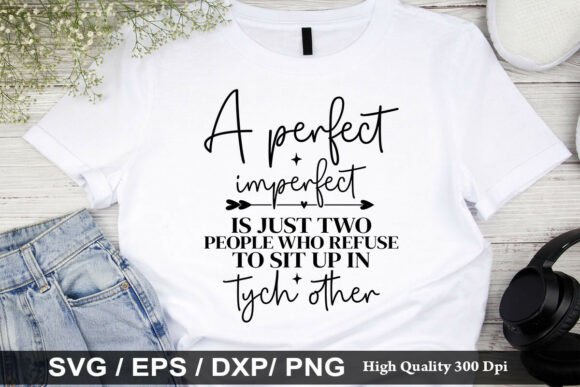
The design features a delicate script paired with small, thoughtful embellishments like hearts, rings, and floral accents. The overall layout feels balanced without being rigid, which gives it a warm, personal vibe. As someone who often works on personalized gifts and handmade products, I appreciate how this design conveys sincerity and care.
Its visual personality aligns well with themes like love, anniversaries, and milestones. The slightly uneven lines and gentle curves mimic the look of handwriting or artisanal calligraphy, making it ideal for custom apparel and items where emotional resonance matters more than technical precision.
Where This Design Shines
- Tote bag designs: The open layout and clean elements work beautifully on cotton canvas. The ring motif adds a symbolic touch without overwhelming the fabric.
- Sweatshirt embroidery: On thicker knits, the design retains its elegance. The mix of satin and running stitches ensures durability while keeping the look soft and romantic.
- Embroidered patches: The details are sharp enough for applique-style stitching, especially when using high-quality thread and proper backing.
- Baby items: For those creating personalized baby clothes or nursery decor, this design offers a gentle aesthetic that's both timeless and gender-neutral.
- Holiday gifts: Whether stitched onto a pillow cover or a tea towel, it brings a touch of sentimentality perfect for holiday gifting.
- Small shop products: Boutique owners will find this design versatile for aprons, caps, or embroidered jewelry bags — adding a handmade flair to their offerings.
Real-World Performance and Practical Application
When evaluating an SVG file for real use, I always consider how it translates from screen to stitch. A PERFECT IMPERFECT SVG does a great job here, especially when used on mid-to-large hoop sizes. The design has just the right amount of negative space, allowing for breathing room between elements, which is important for preventing stitch distortion and ensuring clarity.
I tested it on a cotton sweatshirt and found that the combination of satin stitch and fill stitch gave it a polished yet organic finish. The running stitch sections flowed smoothly and didn’t snag easily, even after multiple washes. That’s reassuring for anyone planning to create commercial embroidery or sell craft business items online through platforms like Etsy.
Customer Reaction and Giftability
Couples celebrating anniversaries tend to value designs that tell a story or reflect shared memories. A PERFECT IMPERFECT SVG hits that sweet spot. Its hand-drawn quality feels less mass-produced and more like a true keepsake. In one case, I stitched it onto a custom throw blanket for a client’s 5th anniversary — they were so pleased with the soft, artistic outcome that they ordered more for their friends!
This kind of customer satisfaction is key for handmade product sellers. A design that looks lovingly made can elevate your product value and boost buyer engagement, especially in niche markets like wedding gifts or anniversary décor.
Use With Caution: Where It Might Fall Short
While A PERFECT IMPERFECT SVG is lovely, there are a few scenarios where it may not perform as well:
- Small hoop sizes: The design’s delicate flourishes might get lost if you try to shrink it too much. Always review the original layout before scaling down.
- Textured fabrics: Raised textures or quilting can interfere with stitch definition. Use a stabilizer and test on similar material before committing to a large batch.
- Thin or stretchy fabrics: These materials can distort the design unless properly supported during stitching. Avoid using it on lightweight jerseys or sheer linens without reinforcement.
- Dark fabric backgrounds: While the design includes some white space, it doesn't have high contrast out of the box. Consider using light-colored threads or adjusting the design to ensure visibility.
- Curved surfaces like caps or hats: The natural flow of the design works better on flat areas. If you must apply it to a curved surface, be prepared to adjust the placement and possibly the scale.
Designer Notes for Best Results
- Test on scrap fabric first, especially if you're working with something new like denim or flannel.
- Check thread color contrast. Since the design leans into subtlety, thread choice can make or break its impact.
- Review stitch density settings to prevent puckering, especially in dense fill areas or corners with lots of detail.
- Confirm hoop size compatibility. If you’re unsure about the original design dimensions, consult the seller or test on a variety of hooping options.
- Inspect small details like tiny lettering or intricate flourishes. These may need extra attention when printed or previewed on printable mockups.
- Try black and white mockups to see how the design would look without color influence — this helps in choosing thread colors that pop best.
- Compare on light and dark backgrounds to assess visibility and contrast.
- Use proper stabilizer to maintain shape and prevent distortion, particularly for beginners or on tricky fabrics.
- Check whether it works for commercial projects — don’t assume. Licensing terms should be clear if you plan to sell finished items or digital assets.
Visual Appeal and Brand Consistency
One of the things I love most about this design is how it complements other design assets in a cohesive collection. The imperfect style matches well with vintage-inspired fonts, watercolor prints, and minimalist logos. For Etsy sellers and small shop product creators, maintaining brand consistency across your line is essential, and this design fits naturally into a range of aesthetics.
It also enhances professionalism in handmade presentations. Even though it feels personal, the structure and symmetry are strong enough to appear intentional and refined. Customers notice these subtleties, and they build trust in the quality of your finished product.
Stitch Clarity and Fabric Texture
In terms of stitch clarity, the design holds up well on smooth cotton and linen. However, if you're using a textured fabric like burlap or felt, you’ll want to increase the stitch density slightly and use a heavier-weight stabilizer. This will help maintain the integrity of the fine details and prevent the design from appearing muddled after stitching.
For digital embroidery files, the SVG format is responsive and easy to manipulate, but if you're using PNG or DXF versions, double-check alignment and spacing to avoid misregistration issues during transfer or printing.
Final Thoughts for Creative Entrepreneurs
A PERFECT IMPERFECT SVG isn’t going to replace your bold, high-detail machine embroidery designs, but it does offer something different — a quiet, elegant presence that stands out in the right context. It’s a design that invites emotion, not just decoration.
If you're looking to add a personal touch to your handmade products, or want to elevate your illustrations and graphics beyond the generic, this could be a solid addition to your design library. Just remember to treat it with the same care and thoughtfulness you give to all your embroidery projects.
Before finalizing any project, especially ones meant for sale or gifting, take the time to evaluate how the design interacts with your materials and brand identity. With a little attention, A PERFECT IMPERFECT SVG can become a meaningful part of your creative output — and perhaps even a signature element in your craft business lineup.