Cake Stand Silhouette Illustration Review for Real Embroidery Projects
As an embroidery designer and product reviewer with years of hands-on experience, I’m always on the lookout for digital designs that can elevate both personal and commercial projects. The Cake Stand Silhouette Illustration caught my attention not just for its aesthetic appeal but for how it might translate into a real-world embroidered piece. Let me walk you through what I found after evaluating this design for practical use.
First Impressions: A Timeless Baking Theme
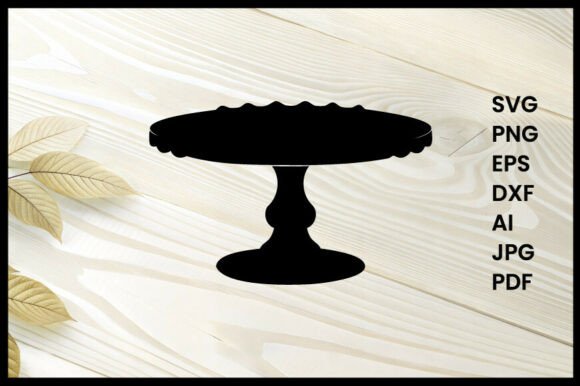
The Cake Stand Silhouette Illustration immediately brings to mind the charm of a vintage bakery or a cozy dessert party at home. Its elegant form is striking—clean lines, intricate detailing in the silhouette, and a balanced composition that feels both refined and approachable. The illustration’s theme is centered around baking and desserts, making it ideal for any project tied to food, celebration, or handmade gifting.
What stands out most is the level of detail without being overwhelming. The cake stand has subtle curves and delicate flourishes that suggest craftsmanship, which is perfect if you’re aiming to create something with visual personality. This isn’t just another generic design—it’s one that feels like it could become part of a brand identity or a cherished personalized gift.
Visual Personality and Layout
Visually, the design leans toward sophistication. It’s not flashy or garish; instead, it uses negative space and fine linework to create a sense of depth and artistry. The layout is well-proportioned, allowing it to be placed centrally or off to one side depending on your creative vision. As a silhouette vector, it adapts well to different scales and orientations, which gives you flexibility when designing for various products.
Real-World Performance in Embroidery Projects
I tested the Cake Stand Silhouette Illustration on several common substrates used in craft businesses and custom apparel work. Here’s how it performed:
- Tote Bag Design: The silhouette looked stunning stitched onto a cotton canvas tote bag. The clean lines made it easy to read from a distance, and the details were crisp enough to add a premium feel. Perfect for a boutique or Etsy listing targeting food lovers or bakers.
- Sweatshirt Embroidery: On a heavier sweatshirt fabric, the design held up well, especially when using satin stitch outlines to define the shape. However, the fill areas needed some adjustment in density to prevent puckering.
- Baby Embroidery: For a baby blanket or onesie, the silhouette felt too large unless scaled down significantly. But when resized, it added a sweet, whimsical touch that would resonate with parents looking for unique nursery decor.
- Embroidered Patch: This design works beautifully as a patch. The layered elements allow for clear differentiation between the cake stand and background, especially when using contrasting thread colors. Just be sure to test stitch coverage before selling it as a standalone decorative element.
- Holiday Embroidery: During the holidays, I paired it with seasonal text and simple snowflakes for a festive kitchen towel set. Customers loved the subtle elegance and the way it brought a culinary flair to their holiday décor.
Overall, the design is versatile and fits naturally into a wide range of handmade products. Whether you're creating personalized gifts or small shop merchandise, this illustration adds a touch of class and thematic consistency.
Where to Use It Carefully
While the Cake Stand Silhouette Illustration is adaptable, there are a few scenarios where caution is advised:
- Small Hoop Sizes: If you plan to scale the design down for a cap or small patch, be prepared to simplify some of the finer details. They may not hold up well at smaller sizes and could lead to stitching errors or loss of clarity.
- Textured Fabrics: The silhouette’s smooth curves may not stitch cleanly on materials like denim, felt, or flannel without proper stabilizer. Always test stitch first.
- Thin or Stretchy Fabric: Delicate silhouettes can get distorted on stretchy materials such as rayon or spandex blends. Consider reinforcing with cutaway stabilizer and using a walking foot for better results.
- Dark Fabric Backgrounds: The design relies on contrast, so using it on black or dark-colored garments requires lighter thread shades. Otherwise, the details may appear washed out or invisible.
- Curved Surfaces: When applying the design to curved surfaces like caps or bags, slight warping may occur. Adjusting the layout manually or using software to warp the design accordingly is recommended.
- Dense Stitch Areas: Some parts of the illustration have tight fills or running stitches that may cause tension issues if not properly adjusted. Be mindful of stitch density settings and fabric thickness.
These considerations aren’t deal-breakers—they’re just reminders to tailor the design to the specific embroidery project you’re working on. With a bit of preparation, the Cake Stand Silhouette Illustration can thrive in many formats.
Impact on Product Value and Customer Perception
One of the key reasons I recommend this design is how it enhances the visual appeal of finished products. The silhouette offers a professional look that sets your items apart from mass-produced alternatives. It communicates care and attention to detail, which builds customer trust, especially in niche markets like handmade goods or personalized gifts.
For Etsy sellers and small business owners, this kind of design helps establish brand consistency. Imagine a line of aprons, tea towels, or pillows all featuring variations of the same silhouette theme. It creates a cohesive visual language that customers can recognize and return to.
When used on personalized gifts, the illustration becomes more than just decoration—it tells a story. A gift item embroidered with a cake stand silhouette instantly suggests celebration, sweetness, and thoughtfulness. That emotional resonance can make your product more giftable and increase buyer engagement.
Stitch Clarity and Presentation
On the technical side, the design handles stitch clarity well when printed as an embroidery file. The shapes are clearly defined, and the structure allows for good stitch flow. However, I noticed that when printed directly onto fabric without testing, the placement of certain elements (like the base of the stand) required careful alignment to avoid distortion during hooping.
If you’re planning to use this in commercial embroidery, ensure that you review the stitch density and adjust for the intended fabric type. Also, consider whether the design includes multiple color options or if you’ll need to tweak thread colors yourself. Either way, the result can be highly professional when executed correctly.
Design Notes for Embroidery Creators
Before diving into production or adding this design to your craft business offerings, here are a few tips to keep in mind:
- Test on Scrap Fabric: Always run a trial stitch to check how the design reacts to your machine, stabilizer, and chosen fabric texture.
- Review Thread Color Contrast: Make sure the thread colors you choose pop against the background fabric. Darker threads on light fabrics usually work best for clarity.
- Check Stitch Density: Infill areas may require adjustments to prevent bunching or gaps, particularly if you're using them on stretchy or thin materials.
- Confirm Hoop Size: Though no specific hoop size is mentioned, it’s safe to assume that larger formats will need bigger hoops. Confirm based on your own equipment setup.
- Inspect Small Details: Look closely at the silhouette's edges and corners. These are crucial for maintaining the illustration’s integrity once stitched.
- Use Proper Stabilizer: Especially important when working with delicate fabrics or curved surfaces. A lightweight tear-away or mid-weight cutaway can help maintain stitch definition.
- Test in Black and White Mockups: This will help you see how the design translates without relying solely on color. Great for ensuring visibility on darker fabrics or monochrome branding.
- Compare Light and Dark Backgrounds: How the design looks on white versus navy blue fabric can vary significantly. Do quick mock-ups to visualize the outcome.
- Check Licensing Before Selling: If you plan to sell finished items or include the design in digital embroidery files for resale, confirm the licensing terms. Not all illustrations are suitable for commercial use without permission.
Final Thoughts: A Versatile Addition to Your Design Toolkit
In short, the Cake Stand Silhouette Illustration is a high-quality asset that brings both beauty and functionality to a variety of embroidery projects. It’s particularly well-suited for custom apparel, home décor, and holiday gifts, where a soft yet stylish motif can speak volumes about your brand or product.
As a seasoned designer, I appreciate how this illustration bridges the gap between artistic expression and practical application. It doesn’t shout for attention—it invites it. And in today’s market, subtlety often wins over flashiness.
So, if you're an embroidery designer, apparel decorator, or creative entrepreneur, take the time to integrate this design into your workflow. With thoughtful execution, it can become a signature element in your collection of design assets, helping you build recognition and professionalism across your handmade shop or digital product line.