Compost Bin with Plant Illustration: A Designer’s Practical Review
As an experienced embroidery designer and product reviewer, I always look for designs that not only catch the eye but also perform well across a range of real-world applications. Compost Bin with Plant Illustration is one such digital embroidery file that made an immediate impression with its thematic relevance and artistic charm. In this review, I’ll walk you through how this design fits into various embroidery projects—from custom apparel to small shop products—and where it might need a little more attention.
First Impressions: The Mood and Visual Personality
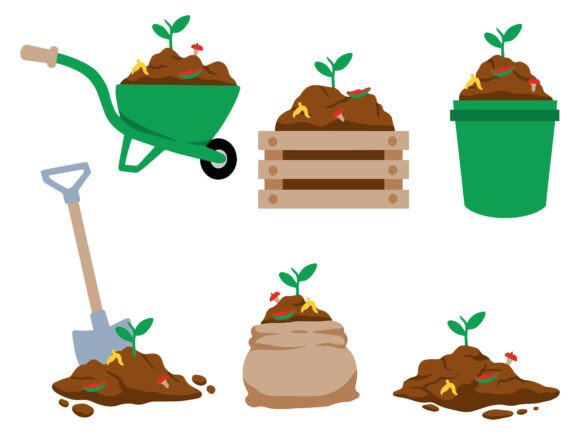
The Compost Bin with Plant Illustration brings a fresh, eco-conscious vibe to any project. Its whimsical yet grounded aesthetic makes it feel both modern and nostalgic. The compost bin itself is stylized with soft curves and subtle shading, while the plant illustration above it adds a touch of botanical elegance. This balance between playful and professional makes it versatile enough for personal gifts and commercial use alike.
From a layout perspective, the design feels cohesive without being cluttered. It has a natural focal point at the top where the plant illustration sits, drawing the eye upward and giving the composition a sense of movement. The level of detail in the leaves and stems is just right—not too busy for machine embroidery, but detailed enough to stand out on fabric.
I’d categorize this as a mid-detail machine embroidery design, perfect for adding personality to handmade items or branding efforts for eco-friendly businesses. It doesn’t scream “look at me,” but it does invite a second glance, which is exactly what you want for something like a tote bag or a pillow cover meant to be used daily.
Real-World Application: Sweatshirts, Tote Bags, and More
Let’s say you’re working on a custom sweatshirt for a local wellness brand. You want something that communicates sustainability and style without being too literal. This design could work beautifully—especially if placed along the back shoulder or down the side seam. The compost bin gives a clear message, while the plant adds a decorative flourish that keeps it from feeling didactic.
For tote bags, the size and shape of the design are ideal. It can be scaled up to fill the canvas of a large cotton tote, making it a standout feature for events like farmers’ markets or yoga retreats. If you're using it on a smaller canvas, like a baby onesie or a cap, you’ll want to reduce the scale carefully and ensure the details remain legible after stitching.
In embroidered patches, the design shines. Its clean lines and recognizable elements translate well into embroidered applique, especially when using contrasting thread colors. I’ve found that patch placements on backpacks or denim jackets can become conversation starters, and this design delivers on that front.
Best Suited for: Apparel, Decor, and Branding Projects
- Tote Bag Design: Perfect for reusable shopping bags or event giveaways.
- Sweatshirt Embroidery: Adds a meaningful and stylish touch to casual wear.
- Pillow Covers: Works great as a decorative accent in home decor collections.
- Tea Towels & Kitchen Decor: The design pairs well with organic themes and rustic color palettes.
- Custom Apparel for Eco-Friendly Brands: A subtle but powerful way to communicate values through visuals.
Where to Use with Care
While Compost Bin with Plant Illustration is adaptable, there are certain scenarios where it needs extra consideration. For example, when working with small hoop sizes, some of the finer leaf details may get lost or distorted. Always test the design at your intended scale before finalizing production.
Textured fabrics like flannel or quilting cotton can cause stitch distortion if the stitch density isn’t adjusted properly. Thin or stretchy materials, such as rayon or jersey knit, may require additional stabilizer to keep the design crisp and prevent puckering.
Dark fabric backgrounds can mute the visual impact of the design unless you choose bold thread colors. On the flip side, lighter fabrics let the colors pop and maintain clarity. When considering curved surfaces like caps or mugs, the design’s structure should be evaluated for flexibility and placement accuracy.
If you're planning to embroider this onto a layered garment or a piece that will undergo frequent washing (like aprons or towels), make sure the fill stitch areas aren’t overly dense. Dense stitching can lead to stiffness or fraying over time. A quick test on scrap fabric can save a lot of headaches later.
Design Impact: From Visual Appeal to Customer Engagement
This design elevates the visual appeal of almost any item it's stitched onto. Whether it’s a personalized gift or a boutique product, the Compost Bin with Plant Illustration adds a sense of intention and quality. As a designer, I appreciate how it maintains its character across different scales and mediums—something not all embroidery files manage so well.
Stitching clarity is another strong point. The compost bin’s simple silhouette and the plant’s flowing lines create a rhythm that’s easy to follow with a sewing machine. Customers will likely respond positively to its approachable style, especially if they’re environmentally conscious or part of a lifestyle-oriented audience.
Using this design in handmade products or personalized gifts helps establish a consistent brand identity. For Etsy sellers and craft business owners, it offers a unique selling point that sets their items apart from mass-produced alternatives. It also enhances professionalism and product value, which is essential for standing out in a competitive market.
When it comes to commercial embroidery, the design holds its own. It doesn’t rely on tiny lettering or intricate borders, which makes it less prone to errors during digitization. However, as with any design, confirm whether it’s appropriate for resale before including it in your digital product previews or printable mockups.
Designer Notes: Tips for Real Project Use
Here are some practical steps I recommend when working with Compost Bin with Plant Illustration:
- Test on Scrap Fabric First: Before committing to a client order or production run, try stitching it on a sample of your intended material.
- Check Thread Color Contrast: Ensure the chosen thread colors stand out against the fabric background. Black and white mockups can help visualize this.
- Review Stitch Density: Adjust fill and satin stitches according to the fabric type to avoid puckering or distortion.
- Confirm Hoop Size: Since specific hoop requirements aren’t listed, experiment with sizes to find the best fit for your machine and fabric.
- Inspect Small Details: Look closely at the leaf textures and bin edges to see how they hold up at different scales.
- Use Proper Stabilizer: Especially important for stretchy or thin materials. A tear-away or cut-away stabilizer can make all the difference.
- Verify Licensing: If you plan to sell finished items or digital embroidery files, make sure the licensing terms allow for commercial use.
Final Thoughts for Makers and Entrepreneurs
Compost Bin with Plant Illustration is a thoughtful and visually balanced design that works well for a variety of embroidery projects. Its charm lies in its simplicity and symbolic meaning, making it a great choice for anyone looking to add a meaningful touch to their handmade product line or customer orders.
That said, like all good design assets, it requires careful handling. Pay attention to fabric types, hoop sizes, and thread choices to ensure the best outcome. When used correctly, it can enhance brand consistency, boost customer trust, and even improve giftability by connecting with the growing audience interested in sustainable living.
If you're an embroidery designer or creative entrepreneur seeking a reliable and expressive graphic for your next project, this illustration is worth exploring. Just remember to test, adjust, and always double-check the rules of use for your intended purpose.