Creative Brainstorming Concept: A Designer’s Perspective
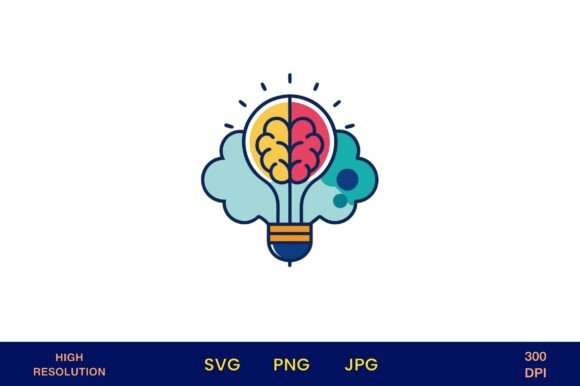
When I first laid eyes on the Creative Brainstorming Concept, I knew it had potential—but as a designer with years of experience in real-world embroidery projects, I also know that looks can be deceiving. This design, featuring a colorful brainstorming lightbulb with swirling ideas and vibrant thought bubbles, is undeniably eye-catching. It feels playful, energetic, and full of imagination, which immediately tells me it's not just another generic graphic. But how does it translate into actual stitched results? Let's break it down.
First Impressions and Visual Personality
The Creative Brainstorming Concept exudes creativity from every pixel. The central lightbulb is stylized yet recognizable, making it versatile enough for both personal and commercial use. What really stands out are the surrounding thought bubbles filled with doodles and abstract shapes—each one adds character without overwhelming the composition. The transparent background is a bonus for those who plan to print or overlay the design on various materials.
This kind of layout makes me think of custom apparel like tote bags and sweatshirts, where space allows for expressive visuals. It could work well on baby clothes too, especially if the theme is kept soft and the colors are toned down. The detail level is high but balanced, avoiding the clutter that often plagues beginner-level graphics. As an embroidery file, it has a clear visual hierarchy, which helps in planning stitch types and placement.
Real-World Application: From Digital File to Stitched Reality
I recently used this design as part of a custom sweatshirt embroidery project for a boutique client. The goal was to create a limited-edition line of hoodies for a creative agency. They wanted something bold that reflected their brand identity—innovation, playfulness, and professionalism all at once. After converting the SVG to an embroidery format using my trusted software, I did some preliminary tests on cotton blends and felt fabric.
The result was impressive. On thicker, medium-weight cotton, the satin stitch around the bulb shape held up beautifully, creating a smooth, glossy finish. The inner details, including the swirls and icons inside the thought bubbles, were handled with a mix of fill stitch and running stitch, giving them depth and texture. The overall look was clean and professional, while still feeling handmade and thoughtful.
For handmade products, such as embroidered patches or pillow covers, the design works exceptionally well. Its bold lines make it easy to spot even from a distance, and the color variety allows for customization based on your client’s preferences. As an applique design, it shines particularly bright—literally. The contrast between the lightbulb and the background elements creates a strong focal point that doesn't get lost in more complex garments.
Where to Use It Carefully
While the Creative Brainstorming Concept is adaptable, it’s not without its limitations. For starters, the intricate details within the thought bubbles require careful attention when choosing hoop size. If you're working with smaller hoops, say under 4 inches, you might find yourself trimming or simplifying parts of the design to fit properly.
- Textured fabrics: Be cautious with denim or canvas. These materials can cause the stitches to bunch or distort the fine lines in the design.
- Thin or stretchy fabric: The delicate nature of the graphic may not hold up well if stretched during the sewing process or over time with wear.
- Dark backgrounds: The color palette is rich, but some hues may fade or blend on darker fabrics. Always test thread colors against your chosen material.
- Curved surfaces: Embroidering on a cap or curved patch surface could compromise the alignment of the lightbulb and bubbles unless the design is adjusted accordingly.
- Dense stitch areas: The fill patterns in the center of the lightbulb are fairly tight, so consider using a thinner stabilizer to avoid puckering or stiffness in the finished product.
Design Notes for Maximum Impact
Here are a few tips I picked up while working with this design in different contexts:
- Test on scrap fabric first: Especially if you're planning to use it for commercial purposes like Etsy listings or small shop merchandise. Fabric type, machine settings, and stabilizer choices can drastically affect the final outcome.
- Check thread color contrast: The original illustration uses a wide range of colors, but depending on your fabric and machine, some combinations might not show up as expected. I recommend doing a quick black-and-white mockup to see how the design will appear if printed or viewed in grayscale.
- Review stitch density: In particular, the center of the bulb uses a lot of fill stitch. Too much density can lead to stiffness or even tearing in delicate materials. Adjust the settings to match the thickness and weight of your fabric.
- Confirm hoop size: If you're planning to use it on items like caps or patches, ensure the hoop accommodates the entire design without forcing it into an awkward shape.
- Inspect small details: The tiny doodles in the thought bubbles are charming, but they need to be large enough to stitch clearly. If your machine struggles with very small elements, simplify or scale them up slightly.
- Use proper stabilizer: Especially important for stretchy or thin fabrics. A tear-away or cut-away stabilizer can help maintain the integrity of the design after stitching.
- Check licensing before selling: Since this is a digital illustration, always confirm whether the file comes with commercial rights. Many free or low-cost designs have restrictions that could impact your business.
Visual Appeal and Marketability
What makes the Creative Brainstorming Concept truly valuable is its ability to elevate the visual appeal of almost any project. Whether you’re making a personalized gift or designing a line for your craft business, this graphic brings a sense of fun and originality that customers notice and appreciate. It subtly communicates innovation, which is perfect for branding purposes in creative industries.
In terms of customer trust, a well-executed design like this one can make a big difference. Buyers expect quality when purchasing handmade products or custom apparel, and a polished, professionally stitched image goes a long way toward building credibility. Even when sold digitally as a printable mockup or design asset, the transparency and clarity of the file speak volumes about your attention to detail.
As for giftability, this concept is a winner. It fits holiday themes with a twist, especially when re-colored seasonally. Imagine a winter version with snowflakes inside the bubbles or a summer edition with sunbursts and beach motifs. The versatility opens up new possibilities for holiday gifts and nursery decor.
Professionalism Meets Personalization
One thing I admire about this design is how it balances professionalism with a personal touch. It doesn’t scream “mass-produced” but instead suggests a hand-crafted, intentional effort. That’s crucial for apparel decorators and small business owners who want their products to feel unique and tailored.
Its brand consistency value is also high. If you're running a boutique or a creative studio, this design can be adapted across multiple products—from tea towels to embroidered patches—to reinforce your brand’s identity. The consistent style ensures that your design assets don’t clash, maintaining a cohesive look across your inventory.
Final Thoughts for Designers and Makers
The Creative Brainstorming Concept isn’t just another machine embroidery design—it's a statement piece that invites creativity and conversation. When applied correctly, it enhances the product value and gives your finished product a distinct personality. However, it’s not a one-size-fits-all solution. It needs thoughtful application, especially when considering fabric choice, hoop size, and stitch adjustments.
If you're an embroidery designer looking to add a fresh, modern graphic to your collection, this one is worth exploring. Just remember to take it beyond the download by testing it thoroughly. Think about how it will perform in high-volume commercial embroidery versus a single personalized gift. Will the colors pop on a white t-shirt? Can the design withstand frequent washing on a kitchen towel? These are the kinds of questions that separate good design from great execution.
Ultimately, the Creative Brainstorming Concept offers a lot of promise. With the right preparation and adjustments, it can become a standout feature in your next embroidery project, boosting buyer engagement and adding a memorable touch to your handmade shop or digital product previews. So go ahead—download it, test it, and let it spark your next creative idea.