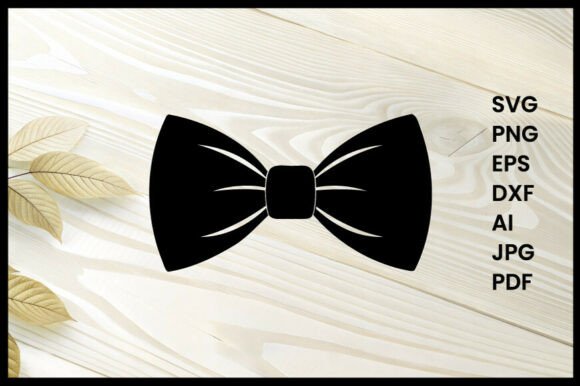
Bow Tie Silhouette Illustration
First Impressions: A Timeless Shape for Formal Elegance
The Bow Tie Silhouette Illustration immediately catches the eye with its clean, minimalist form. The black and white contrast is sharp and striking, making it ideal for formal settings. The intricate detailing around the edges adds a layer of sophistication that elevates the design beyond a simple shape.
This illustration feels like it belongs in a world of tailored suits, tuxedos, and elegant events. Its layout is balanced, with enough detail to be visually interesting without overwhelming the viewer. The silhouette itself is well-proportioned, making it versatile for a range of embroidery projects.
As a designer, I see this as a strong candidate for custom apparel, especially for items like shirts, jackets, or even baby onesies. It’s the kind of design that can stand alone or be paired with other elements to create a cohesive look.
Real-World Embroidery Use: Where It Shines
When considering the Bow Tie Silhouette Illustration for real embroidery use, it performs best on flat, smooth fabrics. For example, if I were working on a custom embroidered tote bag, this design would add a touch of class without being too busy.
It also works well for sweatshirts and t-shirts, especially for clients looking for something more refined than a basic logo. The design’s clarity makes it easy to stitch, and the black and white palette allows for easy customization with different thread colors if needed.
For baby items, such as onesies or blankets, the Bow Tie Silhouette Illustration offers a subtle yet stylish option. It’s not too detailed to cause issues with small hoop sizes, and the simplicity ensures it remains recognizable even when stitched at a smaller scale.
In the context of an Etsy shop or craft fair booth, this design could be a hit. It’s perfect for personalized gifts, like embroidered patches or aprons. The elegance of the design suggests quality, which can help build customer trust and encourage repeat purchases.
Where to Be Cautious: Limitations and Considerations
While the Bow Tie Silhouette Illustration is versatile, there are some situations where it may not perform as well. On textured fabrics, such as knits or fleece, the design might lose some of its definition. Similarly, on thin or stretchy materials, the stitches could pull or distort the fabric.
For dark fabrics, the black and white contrast may not be as effective. If the background is dark, the design might appear too faint or washed out. In such cases, adjusting the thread color or using a lighter shade could help improve visibility.
Curved surfaces, like caps or hats, can also pose challenges. The design may need to be adjusted slightly to fit the curve, or it may require a larger hoop size to accommodate the shape. Tiny details in the corners might get lost if the hoop is too small or the stitch density is too high.
When used as a decorative accent on layered garments, the design should be placed carefully to avoid overlapping with other elements. It’s also important to consider how the design will look after multiple washes, especially if it’s part of a product that will be used frequently.
Design Impact: Visual Appeal and Customer Perception
The Bow Tie Silhouette Illustration has a strong visual appeal that can enhance the value of any finished product. Its clean lines and intricate details make it suitable for both handmade and commercial embroidery projects. When stitched correctly, it adds a level of professionalism that can set a product apart from mass-produced alternatives.
From a customer perspective, this design signals attention to detail and quality. It’s the kind of embroidery that people might notice and remember, which is essential for brand recognition. Whether it’s used on a custom shirt for a client or as part of a boutique product line, the design contributes to a polished, cohesive look.
As a digital product, the Bow Tie Silhouette Illustration can be a valuable asset for designers and sellers. It’s easy to integrate into printable mockups, and its black and white format makes it adaptable for various applications. However, it’s important to test the design on different backgrounds to ensure it looks good in all contexts.
Designer Notes: Practical Tips for Success
Before using the Bow Tie Silhouette Illustration in an actual project, I always recommend testing it on scrap fabric. This helps identify any potential issues with stitch density, thread color contrast, or stabilizer use.
Checking the hoop size is also crucial. If the design is too large for your machine’s hoop, you may need to split it or adjust the layout. Ensuring the design is compatible with your embroidery machine is a key step in avoiding frustration later on.
For small details, like the edges of the bow tie, it’s worth inspecting the design closely. Sometimes, what looks good on a screen may not translate perfectly to fabric. Using a proper stabilizer can help prevent puckering or distortion, especially on delicate or stretchy materials.
If you’re planning to sell products featuring the Bow Tie Silhouette Illustration, be sure to confirm the licensing terms. Some designs may have restrictions on commercial use, so it’s better to double-check before finalizing your project.
Final Thoughts: A Design That Delivers
The Bow Tie Silhouette Illustration is a solid choice for anyone looking to add a touch of elegance to their embroidery projects. It’s well-suited for a variety of applications, from custom apparel to personalized gifts, and its clean aesthetic makes it easy to work with.
While it has some limitations, particularly on certain fabrics or in specific formats, these can be managed with careful planning and testing. As long as you take the time to understand its strengths and weaknesses, this design can be a valuable addition to your collection of machine embroidery designs.
Whether you're an Etsy seller, a small business owner, or a hobbyist, the Bow Tie Silhouette Illustration offers a balance of style and practicality that can enhance your work and satisfy your customers.